Table of Contents


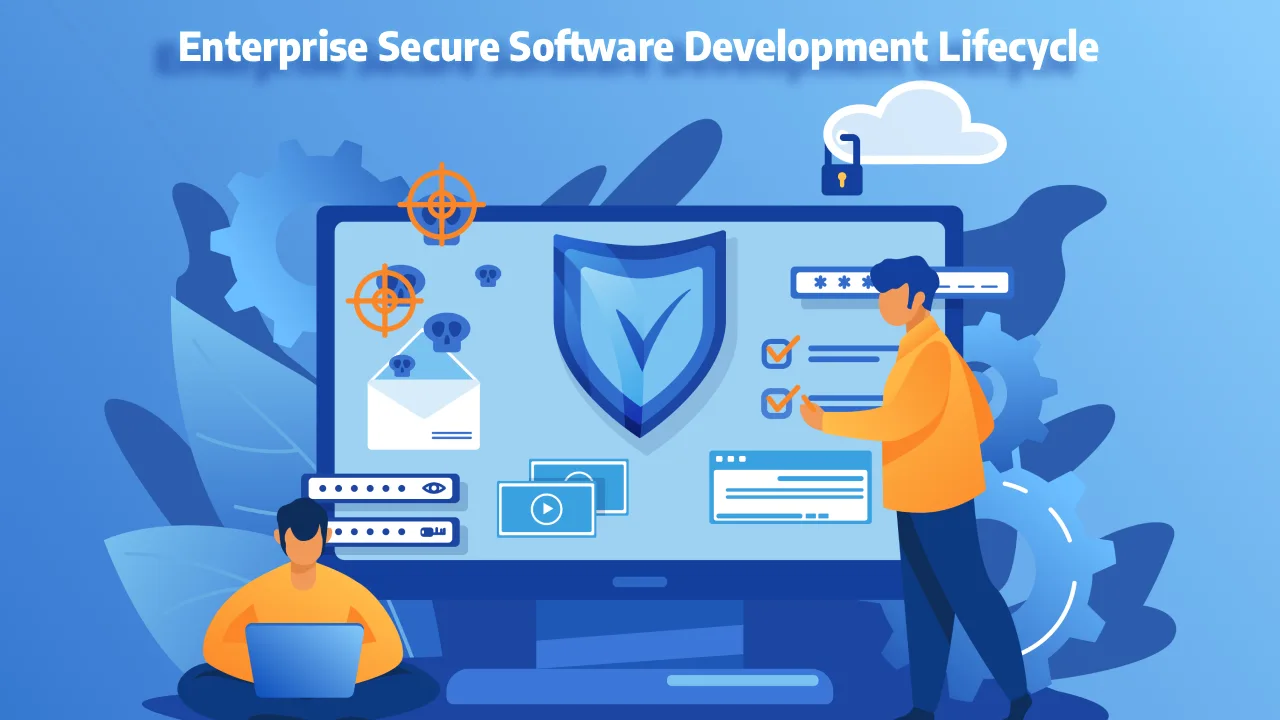
Enterprise Secure Software Development Lifecycle for Distributed Teams in 2026

Introduction

Enterprise software development has gone global. In 2026, engineering teams are distributed across time zones, cloud platforms are deeply integrated into operations, and cyber threats are more automated than ever. While remote collaboration unlocks innovation and access to global talent, it also expands the attack surface dramatically.

That’s why implementing an Enterprise Secure Software Development Lifecycle (Secure SDLC) for distributed teams is no longer optional—it’s mission-critical.

In this guide, we’ll explore how enterprises can modernize their Secure SDLC using DevSecOps, Zero Trust security models, AI-powered code analysis, compliance automation, and cloud-native protection strategies. We’ll also look at how companies like Prishusoft help organizations secure their distributed development environments without slowing down delivery.

Why Traditional SDLC Fails in Distributed Enterprise Environments

Let’s be honest—old-school security models just don’t cut it anymore.

Traditional SDLC approaches were designed for centralized teams working inside controlled office networks. But today?

Developers work from multiple countries

Code is stored in cloud repositories

CI/CD pipelines run in hybrid cloud environments

Third-party APIs and open-source components are everywhere

This shift introduces new risks:

Supply chain attacks

Misconfigured cloud environments

Insider threats from unmanaged endpoints

Credential leaks in remote collaboration tools

Without a modern Enterprise Secure Software Development Lifecycle, vulnerabilities slip through the cracks.

What Is an Enterprise Secure Software Development Lifecycle (Secure SDLC)?

A Secure SDLC integrates security practices into every phase of the software development lifecycle—from planning to deployment and maintenance.

In 2026, a mature Secure SDLC includes:

  1. Secure requirements engineering
  2. Threat modeling
  3. Secure coding standards
  4. Automated security testing (SAST, DAST, SCA)
  5. CI/CD pipeline security
  6. Runtime monitoring and incident response
  7. Continuous compliance tracking

For distributed teams, this must happen seamlessly across geographies and cloud infrastructures.

Key 2026 Trends Shaping Secure SDLC for Distributed Teams

1. AI-Powered Code Security

Artificial intelligence is no longer optional—it’s embedded in modern DevSecOps pipelines.

Enterprises now use AI-driven tools for:

Automated code review

Real-time vulnerability detection

Anomaly detection in CI/CD pipelines

Predictive threat modeling

AI reduces false positives and helps distributed teams fix vulnerabilities faster—without drowning in alerts.

2. Zero Trust Architecture for Development Environments

In 2026, Zero Trust isn’t just for network access—it extends to development workflows.

Core Zero Trust principles include:

Least privilege access to repositories

Multi-factor authentication for developers

Continuous identity verification

Micro-segmentation of cloud environments

Every access request is verified—no assumptions, no blind trust.

3. DevSecOps as the Enterprise Standard

DevSecOps integrates security into DevOps pipelines from day one.

Instead of security being the “final gate,” it becomes:

Shift-left security testing

Automated vulnerability scanning in CI/CD

Infrastructure as Code (IaC) security validation

Container image scanning before deployment

This approach ensures faster releases without compromising security.

4. Software Supply Chain Security & SBOM

After major supply chain breaches in recent years, enterprises in 2026 are required to maintain a Software Bill of Materials (SBOM).

This includes:

Open-source dependency tracking

License compliance

Real-time vulnerability monitoring

Third-party component validation

Regulatory frameworks like NIST SSDF and updated ISO standards now strongly emphasize supply chain transparency.

Securing Distributed Teams: Practical Strategies

Here’s how enterprises can operationalize a Secure SDLC across distributed teams:

Standardized Secure Coding Practices

Enforce OWASP guidelines

Conduct regular security training

Use secure coding playbooks

Secure CI/CD Pipelines

Integrate SAST, DAST, and SCA tools

Protect secrets using vault solutions

Enable automated security gates

Endpoint Security for Remote Developers

Enforce device compliance policies

Use EDR (Endpoint Detection & Response) tools

Monitor for suspicious behavior

Cloud-Native Security Controls

Secure Kubernetes clusters

Implement IaC scanning

Apply runtime protection tools

Continuous Compliance Monitoring

Automate audit logs

Map controls to SOC 2, ISO 27001, GDPR

Generate compliance-ready reports

Enterprise Compliance in 2026

Regulations are tightening globally. Enterprises must align Secure SDLC with:

SOC 2 Type II

ISO/IEC 27001:2022 updates

NIST Secure Software Development Framework (SSDF)

GDPR & global privacy laws

Compliance is no longer annual—it’s continuous.

Automated compliance monitoring ensures distributed teams remain audit-ready at all times.

How Prishusoft Helps Enterprises Secure Distributed Development

Implementing an Enterprise Secure Software Development Lifecycle isn’t just about tools—it’s about strategy, integration, and governance. That’s where Prishusoft steps in.

Prishusoft helps enterprises by:

Enterprise Secure SDLC Implementation Checklist

Here’s a simplified roadmap:

  1. Conduct a Secure SDLC maturity assessment
  2. Define security policies for distributed teams
  3. Implement DevSecOps automation
  4. Enforce Zero Trust identity management
  5. Secure open-source dependencies
  6. Train developers continuously
  7. Automate compliance monitoring
  8. Establish incident response protocols

Small steps, big impact.

Frequently Asked Questions

Final Thoughts: Securing the Future of Enterprise Development

In 2026, distributed development is the norm—and cyber threats are more sophisticated than ever. Enterprises can’t afford reactive security models. They need a proactive, integrated, and automated Enterprise Secure Software Development Lifecycle.

By combining DevSecOps, Zero Trust principles, AI-powered security tools, and compliance automation, organizations can secure their global engineering teams without sacrificing speed or innovation.

And with experienced partners like Prishusoft, enterprises don’t just adopt Secure SDLC—they operationalize it effectively.

Ready to Build Something Amazing?

Get in touch with Prishusoft – your trusted partner for custom software development. Whether you need a powerful web application or a sleek mobile app, our expert team is here to turn your ideas into reality.

image